
The science of stress

"These mountains that you are carrying, you were only supposed to climb”
Najwa Zebian
Life can throw difficulties our way — often when we least expect them. Building skills to recognise and manage stress is crucial for protecting your health now, and in the long run.
Good Stress vs Bad Stress
Stress isn’t always the enemy.
Short-term ‘acute’ stress can sharpen your focus and enhance performance — it’s your body’s natural fight or flight response, designed to keep you safe. A burst of adrenalin, a quicker heartbeat, increased alertness — these are all protective reactions when faced with immediate threats.
But, when stress becomes chronic, it tells a different story.
Ongoing activation of the brain and body’s stress response system leads to high cortisol release, and increased risk of chronic conditions like heart disease and diabetes. Your body interprets ongoing pressure like it would a looming famine — increasing cravings, storing fat and turning survival mode on long-term.
Understanding this helps to interrupt the cycle and can silence the inner critic that often compounds the stress response.
How we measure stress
The Thrive assessment measures 38 factors which can be protective against or contribute to health impacts of chronic stress.
Some of these, are skills and habits that can be learned as well as established into structures in workplaces to better support health such as:
using a growth rather than a fixed mindset;
establishing a sense of purpose;
developing the ability to have some level of control over potential stressors that can be controlled;
building resilience and
incorporating healthy strategies into your routine to reduce the impact of stress on your body.
Signs You’re Running on Empty
Are you:
Always ‘on edge’ or wired?
Feeling exhausted and/or aren’t sleeping well?
Having emotional outbursts or avoiding getting out and doing things that you need to?
Struggling to focus?
Getting sick regularly? More colds, headaches or digestive issues?
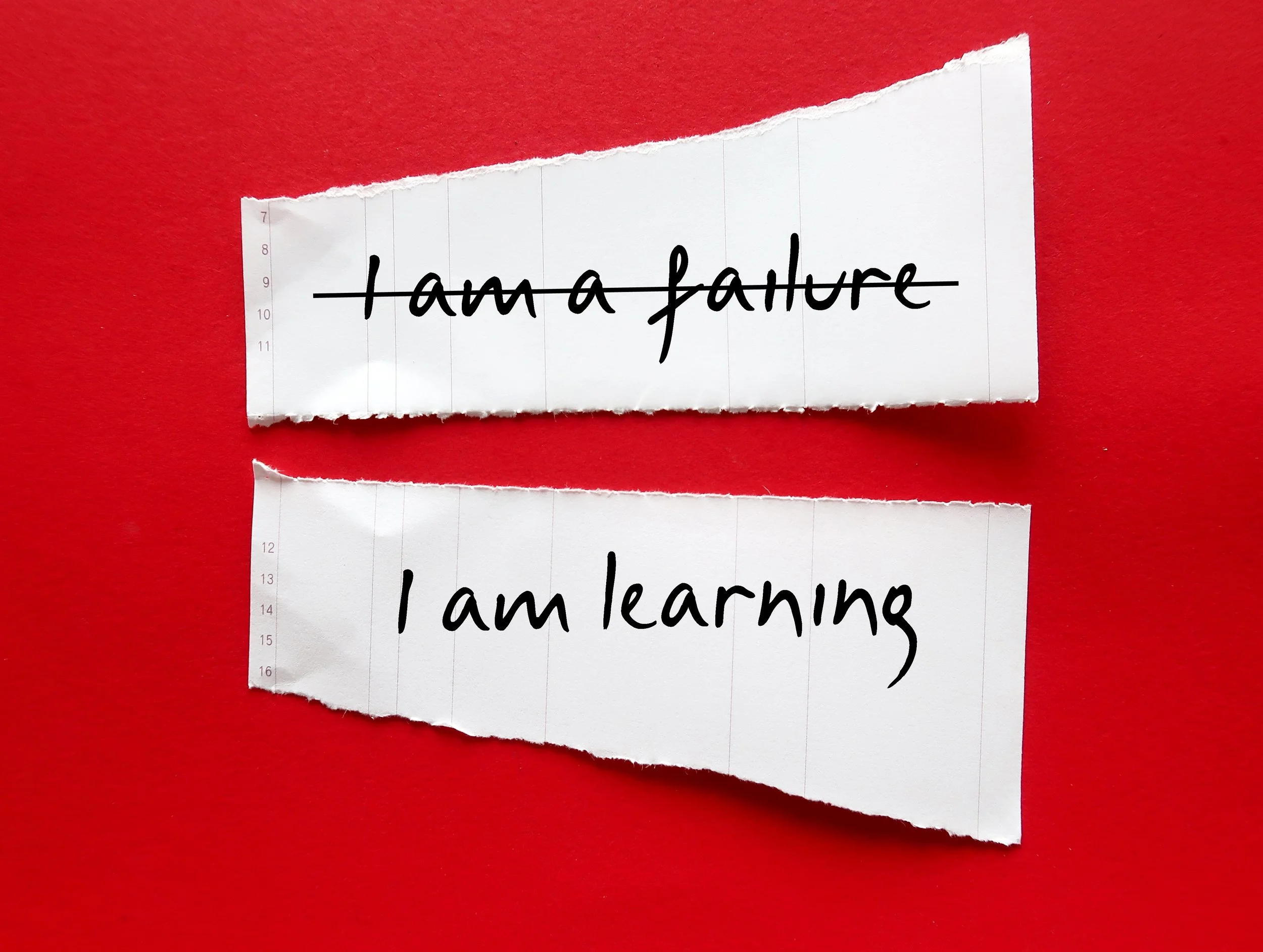
Resilience factors
We measured a number of ‘resilience factors’ in your assessment, that help to mitigate the perception of and/or the negative health impacts of stress. These include levels of social connectedness, sense of self worth and purpose, control and having a growth mindset. Check out the detail in your action plan to see how your stress management score card is stacking up and for some tips on how you may improve this. Here’s a bit of information about the factors that contribute to resilience and some strategies about how you may be able to embed these in your life to help to combat whatever life throws at you.
Growth vs Fixed mindset
It’s important to understand that your type of mindset is not set in stone that we’re all capable of having a growth mindset if we choose to understand how and why we think the way we think and recognise the impacts of our mindset on our perception.
Having a growth mindset can also be described as understanding the power of the word ‘yet’ as in ‘not yet’ rather than ‘no I can’t do that’. This can be a very powerful tool but the first step is to observe and reflect on how you think. If you recognise that you do tend to be more fixed in your thinking then we’d recommend taking some time to retrain your brain, to challenge some of your fixed beliefs to cultivate more of a growth mindset.
We love this quote from Prof Carol Dweck, as it’s an inspiring summary of how changing the way you think can create amazing opportunities:
“In a growth mindset challenges are exciting rather than threatening. So, rather than thinking, oh I’m going to reveal my weaknesses, you say, wow here’s a chance to grow.
Teaching people to have a growth mindset, encourages a focus on effort rather than on intelligence or talent, this helps make them into high achievers in life”.
To learn more about training your brain toward sitting in the ‘yet’ rather than ‘never’ check out this 3 minute clip on developing a growth mindset and the amazing world of neuroplasticity.
Social connectedness
Having people in your life that you trust to debrief and to be yourself with, is very important for good health. We recommend reflecting on who you have in your life and if you’re not doing it already, looking at what you can do to create time and space to nurture the relationships that matter to you.
Finding your ‘Why'

What are you passionate about? Having a strong sense of purpose is strongly connected to perceptions of self worth and mental wellbeing.
We’re big fans of the work of Simon Sinek on the value of being purpose led. Here are two short clips on What's your why? and a Quick way to find your why, from Simon that we hope will inspire you to take some time to reflect on where you’re at and where your compass is leading you.
Perception of control over stressors
There is good evidence that individuals who experience high levels of stress at work, who feel that they have no control over their workload are much more likely to experience negative physical and mental health impacts than peers who feel that they have more control and feel challenged by the stress that they experience.
The Thrive team think that this is pretty fascinating and this informs the conversations that we have with organisations about strategies to reduce stress in workplaces and to improve physical and mental health.
Smashing Stress Strategies
Your goal shouldn’t be to eliminate stress — it’s to become more stress-resilient. It’s important to find strategies that you enjoy to actively combat stress that may be impacting your health.
Breathe and Ground
Short breathing or grounding practices can interrupt the stress response in under a minute.
Time for mindfulness
Finding even a few minutes for mindfulness each day can reshape your brain’s stress circuits, improve regulation of emotions and support healthier habits.
Whether you take a few minutes for some formal mindfulness practice (some app suggestions below), to be aware of your breath, choose to go for a ‘mindful walk’ or simply focus on a relaxing activity you enjoy find something that works for you - one that feels relaxing and repeatable in your daily routine.
Prioritise Sleep
Poor sleep amplifies stress, while good sleep buffers it.
Find Calm Cues
Music, nature, journalling, humour, dancing, yoga, tai chi, meditation, exercise — experiment to find your circuit breakers
Move Your Body
Regular movement helps burn off stress chemicals.
Set boundaries
Especially in caregiving or high pressure roles getting 'you time' into your diary needs to be a not negotiable.
Start small. Breathe. Notice. Repeat.
Mindfulness Made Simple
There are some fantastic apps around to support mindfulness practice of varying lengths of time anywhere from just a few minutes a day.
Here are a few of our favourites, Insight timer is free, the others have free options for you to try out to see what works for you: